

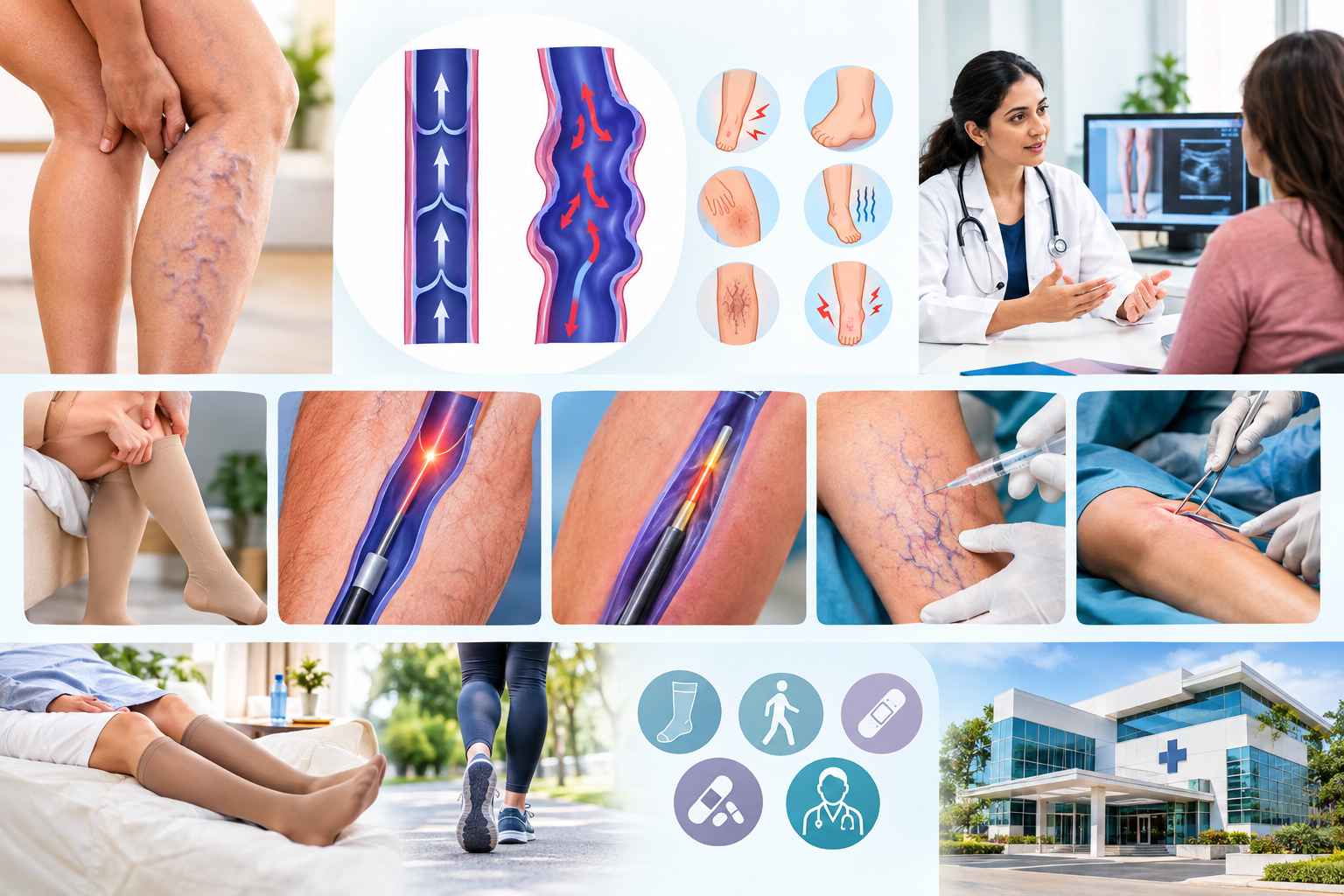
In addition to visual symptoms, varicose veins can cause aches, swelling, itching, and a feeling of heaviness, which can hinder walking, standing, and performing other actions. The searching of Best hospitals for varicose veins treatment in Hyderabad involve several aspects that must be considered before deciding where to get the treatment. It is important for the patient to know what causes varicose veins, what procedures are suggested by doctors, and what kind of care is needed after the procedure.
Varicose Veins Formation and Causes
Varicose veins occur due to weakening or damage to the valves in the veins. The valves assist blood flow in the veins to the heart. If the valves fail, blood flows back into the veins and is trapped there.
Several factors are responsible for the formation of varicose veins. Aging, hereditary predisposition, pregnancy, obesity, and prolonged standing are among the causes of varicose veins. Hormonal changes may also play a role in causing varicose veins. Even though varicose veins affect the legs, they vary from one individual to another.
The symptoms associated with varicose veins include aching, a feeling of heaviness in the leg, itching, swelling of the ankles and muscle cramps. In some cases, skin discoloration and venous ulcers result.
Factors to Consider while Selecting a Hospital for Varicose Veins Treatment
The process of selecting the Best hospitals for varicose veins treatment in Hyderabad can be undertaken on the basis of certain aspects of patient care. The specialists, vascular surgeons as well as interventional radiologists, can diagnose venous diseases and suggest relevant procedures depending upon the nature of the clinical diagnosis.
Patients need to ensure that the specialists have adequate qualifications and experience. Availability of duplex ultrasound is an important aspect since this test will enable the specialists to assess the blood flow in the veins and also diagnose abnormal valves.
Patients should take into account different options available to them, including consultation and aftercare. Openly stating how much different treatments cost and providing detailed information regarding risks involved and the recovery process helps patients understand their treatment better.
Varicose Vein Treatment Options
Treatment methods depend on symptoms, ultrasound results, severity of venous disorders and the overall state of health of the patient. There are three treatment approaches, including conservative treatment, minimally invasive therapy and surgical interventions.
Compression Therapy
The use of compression stockings will involve putting pressure on the legs, and this helps in improving venous circulation and managing the swelling of the legs. It is recommended by doctors to some patients who have undergone procedures. Compression therapy cannot remove the varicose veins permanently.
Endovenous Laser Therapy
During endovenous laser therapy (EVLT), laser energy is applied to close the affected vein. This process involves placing a laser fibre in the affected vein using ultrasound imaging. The heat generated from this process damages the vein, leading to its closure. Consequently, blood starts flowing through healthy veins.
Radiofrequency Ablation
This process involves the application of heat in order to close dysfunctional veins. During the radiofrequency ablation, the physician introduces a catheter into the problem vein and then navigates it using the ultrasound scan. The heating of the vein wall leads to its closure through radiofrequency energy.
Sclerotherapy
The process of sclerotherapy entails the injection of a special solution in an affected vein. This solution is used to irritate the inner surface of the vein so that it closes slowly. The method is usually applied for the treatment of small varicose and spider veins.
Conventional Surgery for Veins
Ligation and stripping of veins refer to the process of ligating and removing the affected veins through surgical incisions. These procedures can be recommended by specialists if there are indications for surgery based on the clinical findings.
Recovery and Post-Treatment Care
Recovery is influenced by the type of procedure performed, severity of the illness and health of the patient. The majority of patients are discharged from hospital on the same day as the procedure was done. Walking after treatment is normally advised to most patients if their condition permits it.
The patient is supposed to take the doctor’s advice regarding physical exercise, use of compression stockings, care of wounds and medications. Some temporary bruising, sensitivity and pain can be expected following the treatment. Follow-up appointments allow doctors to monitor recovery and detect any other venous conditions present.
Conclusion
It is necessary for the patients to ensure the availability of the needed procedure, the specialist’s credentials and the approximate cost of treatment. Besides, the patients must inquire about the diagnostic cost, hospitalization policies and follow-up treatments. Comparison of these aspects will enable the patients to have knowledge about the services provided by the hospitals.
In order to choose the Best hospital for varicose veins treatment in Hyderabad, the patients must know about the available procedures, their suitability along with the qualification of the specialists. It is important for the patients to have a proper diagnosis done so that doctors can recommend treatment depending upon their medical condition. The patients must consult with the doctor about the advantages, risks and cost involved in each option. Global Link can assist the patients in gaining information about the hospitals and healthcare options.
