
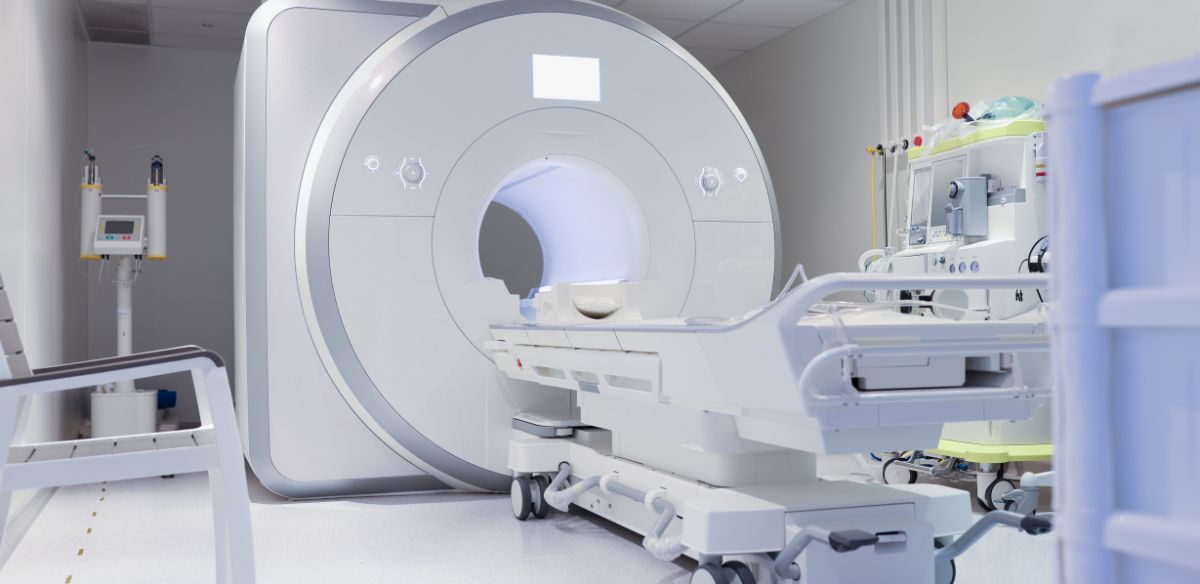
When seeking world class diagnostic precision and therapeutic solutions identifying the Best Advanced Nuclear Imaging Hospitals in India for African Patients becomes the crucial first step. India has become a globally recognized hub for molecular medicine by integrating state of the art technological infrastructure with extremely affordable medical services. Medical tourism organizations like Cure Globe Medical Tourism help overseas patients easily access premium facilities. The Best Advanced Nuclear Imaging Hospitals in India represent elite clinical institutions that seamlessly combine high success molecular interventions with fully integrated international care ecosystems.
Nuclear Medicine is an exceptionally sophisticated form of medical imaging and targeted treatment that incorporates minute quantities of radioactive compounds, known as radiopharmaceuticals or radiotracers. Traditional diagnostic imaging methods, such as X-rays and ultrasounds, are limited in their ability to visualize physical structures. Nuclear Medicine effectively reveals physiological and metabolic activity at the cellular level, helping physicians uncover the initial cellular changes and anomalies that would not yet be visible on standard imaging.
In the realm of clinical diagnostics, Nuclear Medicine serves an irreplaceable function by demonstrating an organ’s specific metabolic functioning or displaying the particular biochemistry of cells. Radiotracers are administered to the patient’s body and then selectively concentrate in organs or tumor cells and emit energy that specialized imaging systems detect.
Nuclear imaging works from the inside of the body outward. A short-lived, safe radiotracer is given to the patient. This radioactive chemical is designed to travel to and accumulate in highly metabolically active regions like cancerous tissues or inflammation. After settling in a particular organ, the tracer decays and emits radiation which is detected and then converted into complex multidimensional images.
Advantages of Nuclear Imaging
The Best Advanced Nuclear Imaging Hospitals in India are home to an array of extremely advanced, high-tech equipment, each licensed by the AERB (Atomic Energy Regulatory Board) of India. The imaging centers in India make use of ultra high-end hybrid imaging modalities, which in turn provide an exceptionally crisp and precise display, while assuring that patient safety is of prime concern at all times, and that radiation exposure to the patients are minimized to the lowest extent.
This type of scanner detects radiation emitted by the patient and thus captures the internal biological processes of the organs. The signal emitted by radiotracers taken up by cells within internal organs is collected by the scanning equipment.
This instrument measures levels of radioactive iodine in the thyroid gland, which aid in monitoring the gland’s function to help diagnose hyperthyroidism or the presence of cancer.
Leading Indian hospitals offer sophisticated nuclear imaging procedures and on-site therapy through a dedicated division. The highly qualified nuclear scientists and radiologists are experienced in nuclear science and have global medical credentials. Families can confidently choose any premier institution within the Best Advanced Nuclear Imaging Hospitals India network for exceptional clinical safety.
| Hospital Name | Location | Key Technological & Diagnostic Capabilities |
|---|---|---|
| Medanta - The Medicity | Gurgaon (NCR) | Multi-slice PET-CT, specialized cyclotron for on-site isotope generation, advanced SPECT-CT configurations. |
| Fortis Memorial Research Institute (FMRI) | Gurgaon (NCR) | Comprehensive Nuclear Medicine Suite, High-Resolution digital PET-CT, dedicated radionuclide therapy wards. |
| Indraprastha Apollo Hospitals | New Delhi | Advanced hybrid molecular imaging systems, automated dose calibrators, premium radioisotope therapy beds. |
| Max Super Speciality Hospital | Saket, New Delhi | Next-generation Gamma Cameras, integrated PET-MRI setups, advanced digital dosimetry software. |
| Apollo Hospitals, Greams Road | Chennai | State-of-the-art diagnostic imaging arrays, dedicated international patient lounges, extensive therapy infrastructure. |
| Kokilaben Dhirubhai Ambani Hospital | Mumbai | Advanced solid-state digital PET-CT, precise intraoperative radioisotope probes, comprehensive thyroid care. |
A significant factor influencing where patients go for a procedure is the overall cost. When evaluating your diagnostic options across the country, selecting a center from our network ensures you receive full financial clarity on the cost of Advanced Nuclear Imaging in India. While you can expect advanced nuclear imaging in India to be much cheaper than in many Western countries, some patients wonder whether it’s even possible to achieve a decent diagnosis at a lower cost without compromising the quality of treatment or service.
The answer is yes, and it is far more than just ‘cheap,’ it’s a fraction of the cost in the Western world or South Africa. When inquiring whether Is India cheap for Advanced Nuclear Imaging, a premium advanced diagnostic PET-CT or specialist SPECT scan will typically cost between $1,500- $2,500 abroad while you could obtain the very same scan in India using the same global standards and machinery, and get it at a cost between $150- $450 USD. The same financial difference is applicable to therapeutic procedures which allows for top-notch treatment without extreme costs.
Most Popular Nuclear Medicine Therapies in India
Not only is India known for its outstanding diagnostics in molecular medicine, but the facilities have also excelled in targeted therapies for certain types of cancers and other serious health conditions.
Compared to external radiation therapies, nuclear medicine therapy treatment is not externally applied, but rather administered systemically or locally within the body itself. The most common method is intravenous infusion or injection, but some therapies can also be administered orally. The treatment is delivered while patients rest in a controlled environment where they are not exposed to any harm.
In many Indian hospitals, specific treatment areas dedicated to nuclear medicine therapies. This special ward has been designed to provide patients with complete protection from radiation and to minimize the risks posed to people around them.
These specially designed walls in treatment rooms are lined with a lead shield to protect patients and the surrounding area from radiation.
Dedicated and unique plumbing systems in the therapy rooms are designed to divert and contain radioactive materials in the patients’ waste so it does not pose a risk to other facilities and its environment.
Area monitors and specialized Geiger counters are set up around treatment rooms and hospitals to continuously monitor radiation levels.
The specialized medical teams assigned to this task are trained and have extensive knowledge of treating nuclear medicine patients, including Radiation Safety Officers (RSOs) who ensure that each and every treatment session is completely safe for all individuals.
The medical facilities in India are JCI accredited, have up to date and readily available radiopharmaceutical technology, no waiting lists and far cheaper rates in diagnostics and treatment costs compared to their own countries.
Yes, a minimal amount of radioactive tracer used decays extremely quickly and it exits through the body’s natural mechanisms such as urination, defecation etc. The overall radiation levels given during diagnostic scans are quite similar and often lesser compared to standard X-rays or CT scans.
For systemic treatments like Lu-PSMA or PRRT, your stay within the hospital’s Nuclear Medicine Therapy Unit is typically for one to two days of hospitalization while inside the Unit. The overall stay in India will normally be between 10 to 14 days which is necessary for pre-treatment investigations and for safety clearance post-treatment.
Yes, leading hospitals partner with organizations such as the Cure Globe Medical Tourism agency to offer international patients comprehensive services, including medical visa invitations, transport to and from the airport, hotels, and interpretation services.
CT provides anatomical images showing where structures are in the body. PET provides functional/metabolic information, showing how the body’s cells are behaving (whether their chemical processes are normal or abnormal) before any physical changes are apparent.
For diagnostic procedures (such as a PET-CT scan), the dose of radioactivity is very small and dissipates very rapidly (within hours). With normal fluid intake, it clears quickly from the body, and generally all you are asked to do is avoid close/prolonged contact with pregnant women and children for 12 to 24 hours.
In the case of nuclear therapy treatments, the radiation levels are checked and as soon as these fall to within international limits of safety you receive a written clearance statement from the hospital’s Radiation Safety Officer, and are then free to fly.
Hospitals usually ask to be sent blood work and biopsy or imaging reports in advance so that they can assess if the patient is clinically fit for specialized radiopharmaceutical treatment. This blood work usually includes renal function tests, including serum creatinine.